

[ OS-02 ] UNVEIL®
A studio born in the generative era — reshaping image-making, world-building, and the future of visual culture.
01_ORIGIN
.
RESAMPL
Could you share a brief introduction to UNVEIL and how it came to be?
.
UNVEIL
Alexis: UNVEIL® was founded two years ago, and things moved very quickly. The nature of our projects has changed dramatically over the past year. We still take on passion projects for independent and alternative brands, but we now also produce global campaigns for major international companies.
Today, we’re an eight-person team. Most members of UNVEIL® come from a graphic design background and gradually shifted toward image-making and art direction. That’s also my own path, which is why we still take on certain design projects.
AI ISN’T A TOOL WE ADOPTED. IT’S PART OF OUR DNA FROM DAY ONE.
Tom-Jacques: I’d add that UNVEIL®’s specificity is that we’re a studio native to generative AI. We didn’t “pivot” from 3D or photography. AI has been part of our DNA from day one. Approaching a project through AI tools has become second nature for the entire team. That comes from our natural curiosity, but also from the timing of the studio’s creation, which aligned with the emergence of the first publicly accessible image-generation tools.
.
02_PHILOSOPHY
RESAMPL
How do you construct meaning within a project beyond aesthetic decisions? Are there internal systems or frameworks that help you define the “world” a project belongs to?
.
UNVEIL
Tom-Jacques: The meaning of a project is built from our cultural background, our personal references. The studio’s biggest challenge is investing significant effort into ensuring that our visual taste and references are constantly evolving. It comes down to staying open-minded and continuously connecting with emerging creative voices. We make a point of not locking ourselves into a single style or era.
WE MAKE A POINT OF NOT LOCKING OURSELVES INTO A SINGLE STYLE OF ERA.
Alexis: The studio maintains a permanent and highly organized creative watch. Everyone on the team can share images, film stills, or any type of reference in a dedicated internal channel. The strongest materials are then archived into themed folders using Cosmos, the app we use to structure our reference library. This shared corpus is what fuels our approach to defining the “world” behind each project.
.
03_PRACTICE
.
RESAMPL
How do you move from an initial brief into research, direction, and execution? And how do you incorporate techniques that intentionally embrace unpredictability?
.
UNVEIL
Tom-Jacques: We don’t escape the classic structure: brief, art direction, production, post-production, but we also have our own secret ingredients…
UNVEIL® LEAVES INTENTIONAL ROOM FOR SERENDIPITY.
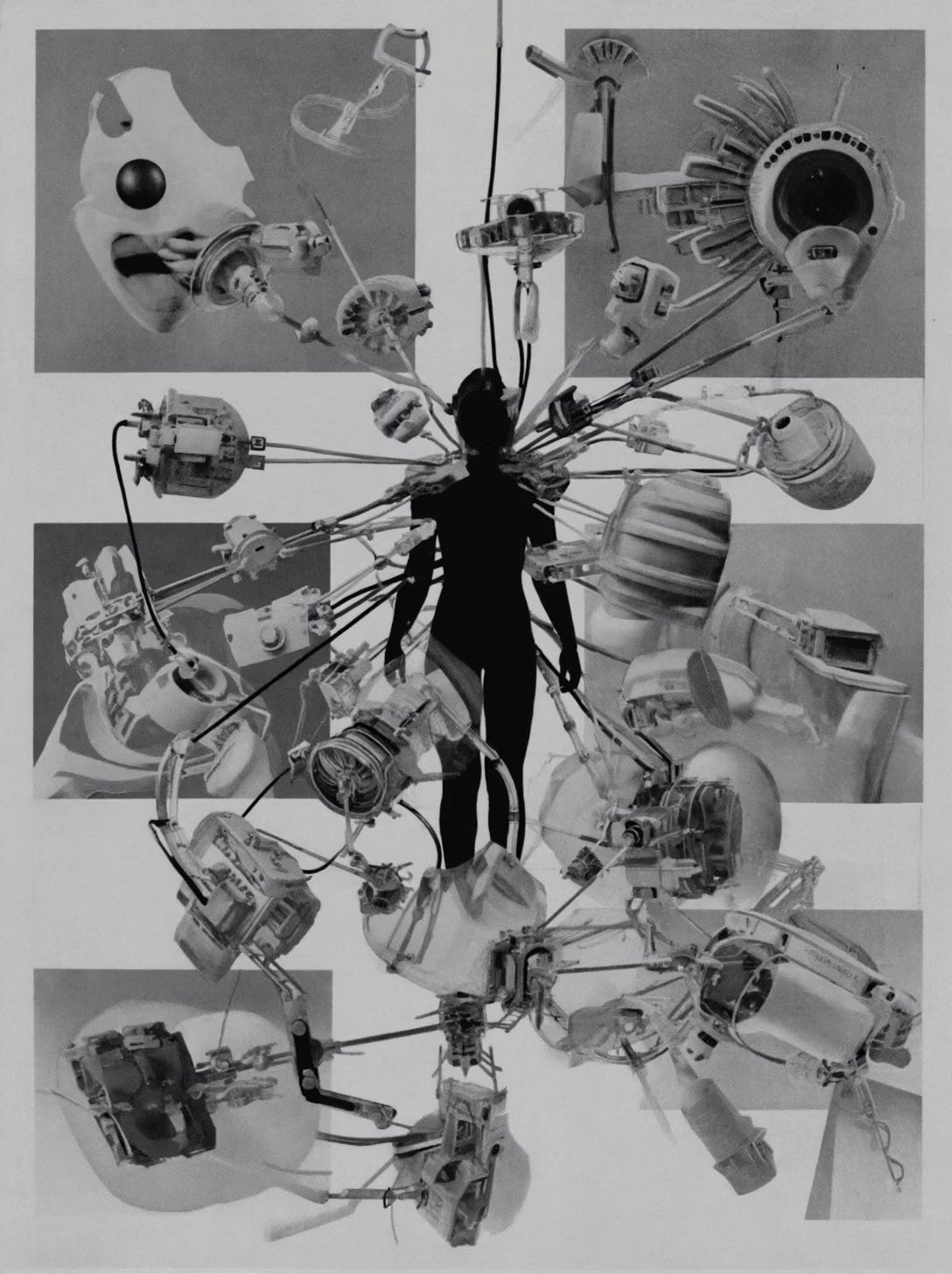
Alexis: I can reveal a few of them! UNVEIL®’s uniqueness lies in how much space we give to serendipity. On some large projects, our creative decks include no external references at all—only images we’ve already generated specifically for that project. It’s a way to avoid relying on the same recycled influences our industry keeps circling around. When we generate images, we intentionally let ourselves drift with the logic of the AI. We enjoy provoking and embracing “happy accidents”, those unexpected moments that push the project beyond anything we could have planned or imagined on our own.
Tom-Jacques: The Eigengrau campaign we recently created for Heliot Emil is a great example of how the inherent randomness of generative AI can elevate our initial concepts. Even though the art direction was clearly defined from the start, some shots in the three short films didn’t originate solely from our human vision. They emerged from unexpected outputs generated by the AI. It still requires a trained eye to identify which generations are truly compelling and which ones deserve to make it into the final film.
.
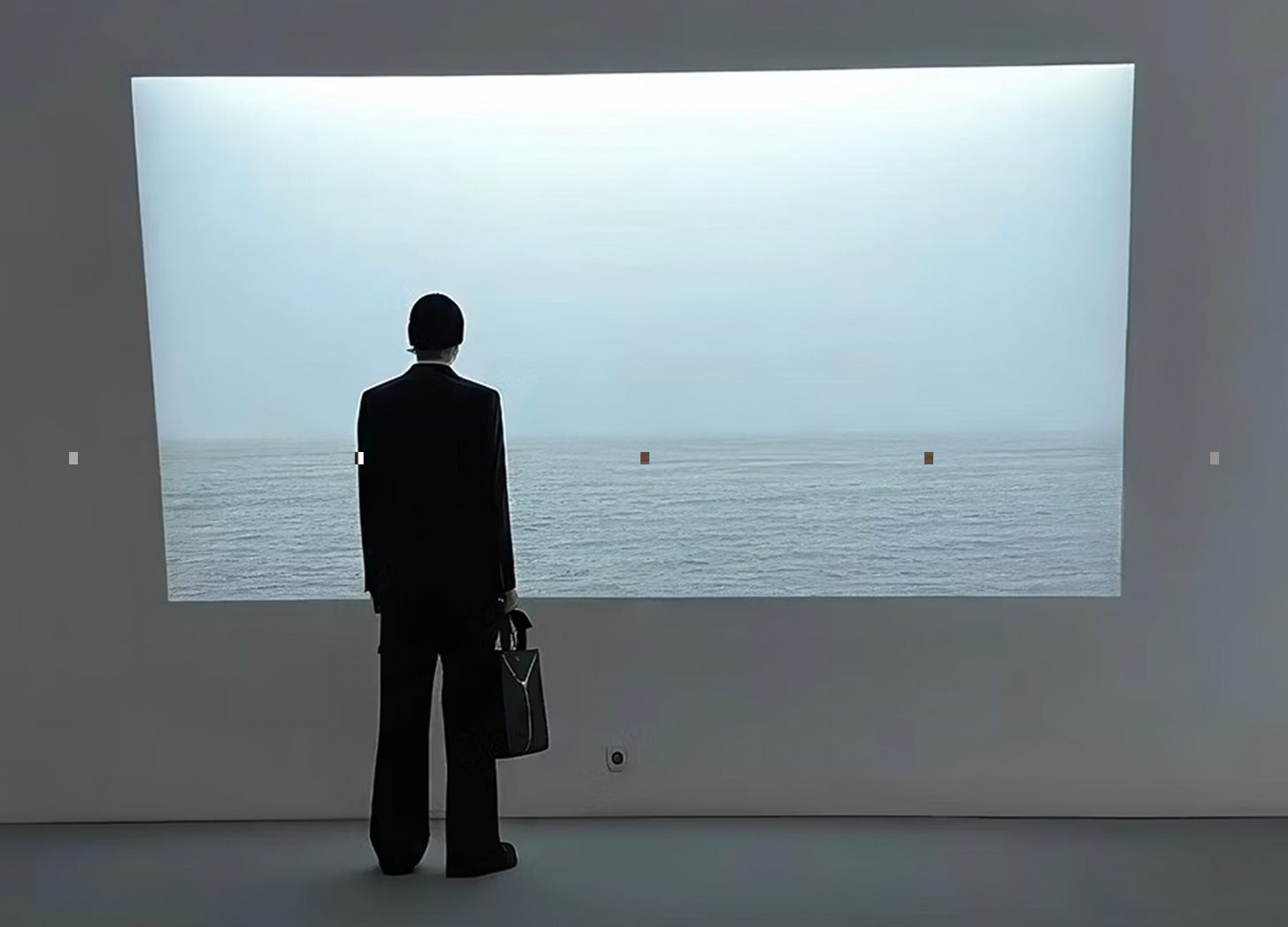


IT TAKES A TRAINED EYE TO KNOW WHICH UNEXPECTED GENERATIONS DESERVE TO BECOME PART OF THE FINAL WORK.
04_SPATIAL
.
RESAMPL
What draws you toward bringing UNVEIL’s work into a physical space? How do you think about translating digital or conceptual narratives into experiential formats?
.
UNVEIL
Alexis: We’re very aware that we live in a time where the lifespan of images is extremely short and the viewer’s attention span is shrinking. It’s sometimes brutal to realize that some of our images will only live for a few seconds on an Instagram feed. Because our practice is deeply digital, we feel the need to anchor certain projects in something physical and tangible. We need to create things that last.
.

Tom-Jacques: That said, some digital projects can still leave a lasting mark. For example, we’re currently working on our first feature film, which isn’t meant to disappear in the noise of a feed. We’re also collaborating with our talented friend Valentin Jager on the design of our studio’s table, a real, physical object. And we’re developing an exhibition format that’s very meaningful to us, a way of giving our conceptual work a long-term, spatial presence.
WE NEED TO CREATE THINGS THAT LAST.
05_BALANCE
RESAMPL
How do you balance personal/experimental artistic pursuits with commercial studio projects?
.
UNVEIL
Alexis: First, we genuinely feel that many of our commercial projects are also deeply personal. Take the Eigengrau campaign for Heliot Emil, for instance. It was almost a true carte blanche, and we infused it with many of our own reflections on nostalgia, solitude, and perception. The same goes for the 500 images we created for the release of DRIFT’s album, a project directly inspired by our fascination with internet-core aesthetics and the visual language of cultural curation accounts like @welcome.jpeg or @the.cores.

Tom-Jacques: We also make sure to preserve time for purely artistic projects. It’s often these works that lead brands to us in the first place. Our short film Not The Day Nor The Hour, for example, opened a lot of doors and sparked conversations that eventually turned into commissioned collaborations.
.

06_EVOLUTION